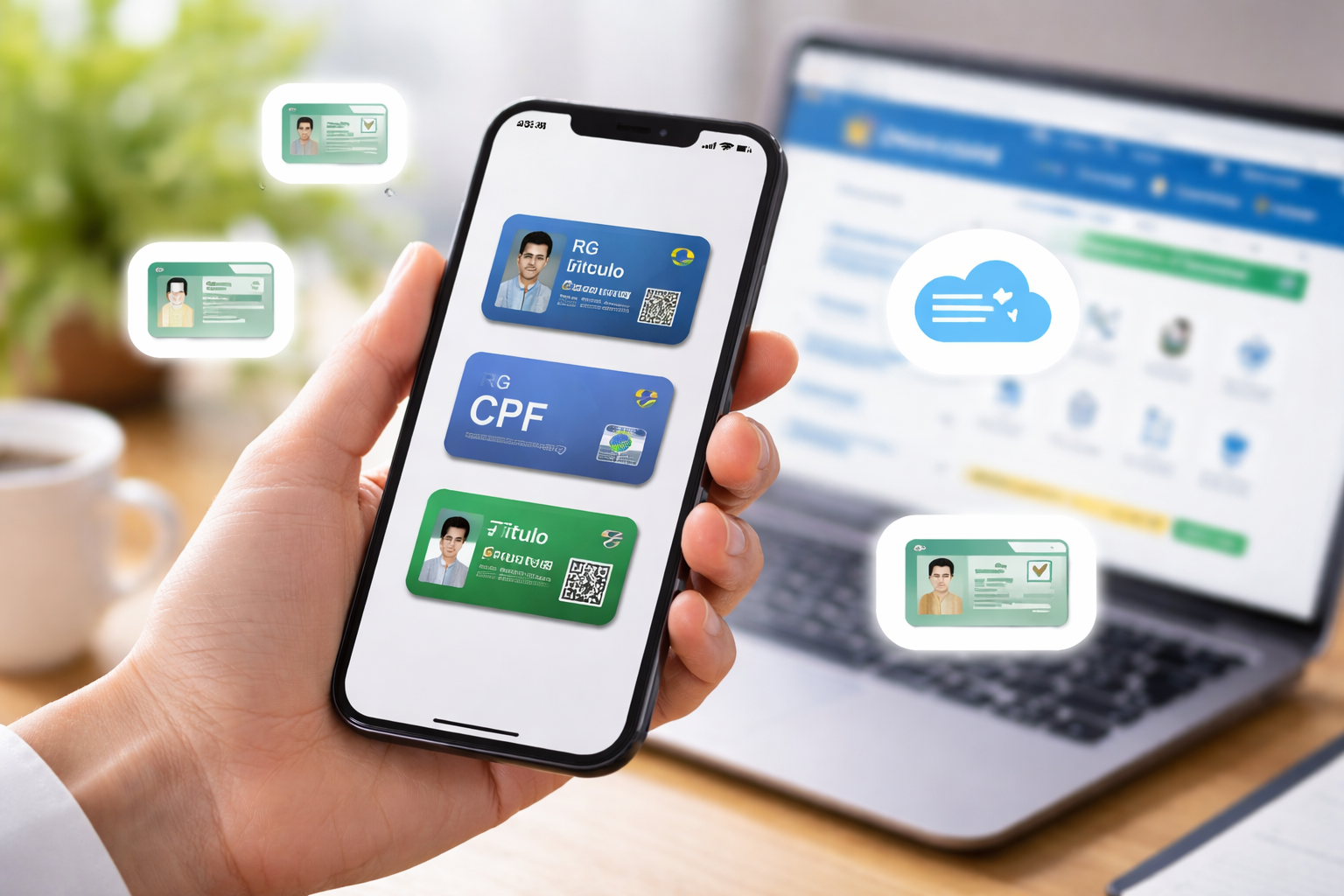
You federal government social programs are very important. They help improve the lives of many people in Brazil. These actions aim to help families who are in difficult situations.
Adverts
An example is the Bolsa Família. It helps pay for education It is health of children. More than 14 million families benefit from this.
O Single Registry helps identify those who need it most. It shows that more than 30 million Brazilians can receive help. This includes access to various assistance programs.
Adverts
In times of crisis, the Emergency Aid was very important. It helped the economy of millions of people. Programs like Luz para Todos and Popular Pharmacy Program also improve people's lives.
O My Home Program, My life changed the lives of more than 4 million families. These programs demonstrate the government's commitment to improving the country's social well-being.
Adverts
Introduction to the federal government's social programs
In Brazil, the federal government social programs are very important. They help to reduce social differences and improve the well-being of everyone. They include everything from financial assistance, such as emergency aid, even special support for vulnerable groups.
The Program Bolsa Família helps poor families. They need to have a low income to qualify. The Continuous Benefit Payment (BPC) supports those who earn very little, helping them survive.
Adverts
Other programs, such as Garantia-Safra and Seguro-Defeso, address specific needs. Garantia-Safra helps farmers who lose crops due to weather. Seguro-Defeso supports artisanal fishermen when they are unable to fish.
O Single Registry (CadÚnico) helps a lot in the distribution of these benefits. It gathers information and facilitates access to aid for families. This makes the management of resources more efficient and ensures that those who need it most receive it.
These programs not only combat poverty but also seek a more just society. They demonstrate the crucial role of social assistance for the development of the country.
The importance of Bolsa Família in reducing poverty
O Bolsa Família is a key program in Brazil against poverty. It helps families in difficult situations with money. But it asks them to take care of health It is education of the children.
Studies show that the Bolsa Família helps a lot to reduce poverty. Extreme poverty fell by 25% and poverty in general, by 15%. This shows that the program is very effective.
To enter the Bolsa Família, families need to be in the Single Registry. They must show that they earn up to R$ 77.00 per person for extreme poverty. Or up to R$ 157.00 for poverty.
Since it began, the Bolsa Família has had great results. It is an example for the world in income transfer. Its benefits go beyond the economy, improving society as a whole.
Benefits provided by the Single Registry
O Single Registry is essential for millions of Brazilians. It is the gateway to several federal government social programs. It acts as a large database, showing the socioeconomic situation of low-income families.
This helps them be considered for benefits like emergency aid and the family allowance.
It is important to understand how the Single Registry works. To register, you must present documents such as ID, CPF and proof of residence. This is done at the Reference Centers of Social Assistance (CRAS) across the country.
After registering, families can access several programs. For example, Cadastro Único helps with access to Bolsa Família. This program provides up to R$ 600 per month, plus R$ 200 per dependent, helping to reduce poverty.
The Single Registry also helps with educational benefits. Young people from registered families can receive financial incentives. For example, the “Pe-de-Meia” program gives up to R$1,600 per year, helping with education.
The benefits don't stop there. Registering also makes it easier to access discounts on essential services, such as electricity and water. Keeping your registration up to date is crucial to taking advantage of these benefits, especially when there are changes in your family.
Since 2001, the Single Registry has changed support for vulnerable families. It is an important instrument for social inclusion and income distribution. With it, the government helps more effectively, ensuring that aid reaches the people who need it most.
Emergency Aid as a response to the crisis
The COVID-19 pandemic has greatly affected the global economy. The emergency aid was one of the main actions of the federal government social programs Brazilian. It was created by Law No. 13,982 of 2020 to help quickly.
This benefit was for informal workers, individual microentrepreneurs (MEI), self-employed workers and the unemployed. More than 70 million citizens benefited. This showed the positive impact of social assistance.
The pandemic has brought social and economic challenges. The unemployment rate has risen to 13.3%. The government has spent R$$ 293.8 billion, much more than the R$$ 60 billion planned.
Extending the aid until December 2020 helped families. It also helped the economy during difficult times.
However, the program faced challenges. Dataprev had problems with millions of registrations. There were also technical problems that affected access to the aid.
Despite this, the emergency aid was essential. It helped the most vulnerable population during the pandemic. It guaranteed economic security in a time of great uncertainty.
Social inclusion and social assistance programs
The government has done a lot to help the neediest people. social inclusion programs It is social assistance are essential. They help improve people's lives and respect their human rights.
Bolsa Verde: incentive for environmental conservation
O Green Bag is an innovative program. It helps poor families take care of the environment. In this way, they earn money and help protect nature.
Income transfer programs and their importance
You income transfer programs are very important. They ensure that people have access to basic things like food, education and health. This helps maintain the social and economic security of the most vulnerable families.
These programs also help to include more people in society. They facilitate access to essential services and encourage work. This especially benefits people with disabilities, the elderly, and very poor families. With these policies, society becomes more fair and inclusive.
Supporting education through social programs
The federal government wants to improve the country's education. This shows its commitment to Brazil's development. ProUni and the Pronatec are examples of this, changing the lives of many young Brazilians.

O University for All Program (ProUni) helps low-income students to study at quality universities. This program is essential to ensure that everyone has access to higher education.
O National Program for Access to Technical Education and Employment (Pronatec) prepares young people and adults for work. It offers technical and professional training courses. This helps the most vulnerable population to find employment.
These programs do more than educate individuals. They also help the country grow economically and socially. Investing in education is crucial for Brazil's progress. The ProUni and the Pronatec show how education can change lives with government support.
Health care at the federal level
Health is a very important area in federal government social programs of Brazil. The Popular Pharmacy Program and the More Doctors Program are essential. They help make healthcare more accessible to everyone.
O Popular Pharmacy Program helps make medicines cheaper. This includes medicines for common illnesses. This means more people can afford the medicines they need, even on low incomes.
O More Doctors Program aims to bring more doctors to remote places. It not only hires doctors, but also improves their work and infrastructure. This ensures better care for the population.
These programs are essential to improving health and well-being in Brazil. They demonstrate the government’s commitment to quality healthcare for all. Through these efforts, Brazil strengthens its healthcare system by providing affordable medical care.
Federal government social programs to guarantee decent housing
The housing issue is a major challenge in Brazil. Government social programs are essential to ensure decent housing. O My Home, My Life Program and the Housing Assistance are essential. They help the most vulnerable people to have a place to live.
O My Home, My Life Program aims to reduce the housing deficit. It helps families earning up to three minimum wages to have their own homes. The program facilitates the purchase of housing, considering the economic conditions of families.
O Housing Assistance is another important program. It helps low-income families have a decent place to live. In large cities like Salvador and Recife, the aid can be used to rent or buy a house.
These policies have a guaranteed budget to continue. They also set aside housing for the elderly and people with disabilities. This shows the government's effort to include everyone in the housing issue.
So, the My Home, My Life Program and the Housing Assistance are essential. They not only provide homes, but also improve the lives of millions of Brazilians.
Support for farmers: National Program for Strengthening Family Farming (Pronaf)
O Pronaf is one of the federal government social programs most important. It helps to strengthen the family farming in Brazil. Since 1995, the Pronaf facilitates access to credit and encourages sustainable agricultural practices.
O Pronaf was created to help family farmers. It increases the productive capacity of the land with financial resources. With credit for financing, marketing and investment, small producers can modernize their activities.
How Pronaf contributes to rural development
O Pronaf helps the local economy with sustainable practices. It finances everything from the purchase of seeds to investments in rural tourism. This helps to increase production and income for producers.
The program gives preference to agroecological projects. It also supports women and young people, promoting fairer and more sustainable agriculture.
With the help of public and private banks, BNDES and cooperatives, Pronaf offers financial support and guidance. This ensures a positive impact on rural development Brazilian.
Conclusion
You federal government social programs are essential to combat inequalities and promote social inclusion in Brazil. They help reduce disparities and ensure human dignity. Initiatives such as the Single Registry facilitate access to benefits for vulnerable families.
Bolsa Família and Auxílio Brasil are examples of success. In 2020, Auxílio Brasil lifted millions of people out of poverty. It is crucial to monitor income and update information so that programs reach those in need.
Social programs address different needs, such as food security and housing. They aim to strengthen basic rights in Brazil. But it is important to monitor these actions so that the benefits reach all Brazilians.